Bullous diseases Kids are not just little people Clinics in Dermatology

Culicosis Bullosa: Wel Of Niet Doorprikken? Waarom Jeuken Muggenbeten? Keywords searched by users: culicosis bullosa doorprikken of niet blaar insectenbeet doorprikken, culicosis bullosa prikken, culicosis bullosa therapie, culicosis bullosa open, culicosis bullosa symptomen, wat is culicosis bullosa, culicosis bullosa kind, foto's van insectenbeten Culicosis Bullosa: Blaar Insectenbeet.
انحلال الجلد الفقاعى.....الأعراض... وطرق التعامل مع المريض (epidermolysis bullosa) YouTube

Epidermolysis bullosa (EB) defines a prototypic group of rare, inherited dermatoses, characteristically featuring skin fragility secondary to structural defects in the dermo-epidermal junction. This skin fragility creates an impaired tolerance to mechanical stress. Trivial mechanical trauma and shear stress can provoke skin blistering, erosions, and ulceration.[1] This places patients with.
Blaren doorprikken of niet? Dokter.nl

Bullous Impetigo. definition. Contagious superficial infection of the skin associated with staphylococci. It is characterized by small vesicles or pustules that may develop into thin-walled bullae which rupture easily. The resulting erosive lesions may be covered by a yellow crust. The face, trunk and extremities of infants and children are.
QR313 for Epidermolysis Bullosa Clinical Trial 2023 Power

Deze overgevoeligheidsreactie wordt "culicosis" of ook wel "culicosis bullosa" genoemd. De bulten en de blaren drogen na een aantal dagen in. Soms weet een bacterie in de plek binnen te dringen en ontstaat een bacteriële infectie op de culicosis-plek ontstaat. Culicosis wordt vooral bij kinderen gezien. foto: culicosis op de wang
What explains this man’s bullae? Consultant360

Van een insectenbeet kun je een sterk jeukend, rood bultje krijgen op de plaats van de beet of steek. Dit bultje, ook wel urtica genoemd, trekt normaal na enkele uren vanzelf weer weg. Maar soms ontstaat er een overgevoeligheidsreactie op een beet of steek. Dan kunnen er bijvoorbeeld blaren ontstaan. Dit wordt ook wel culicosis bullosa genoemd.
Epidermolysis bullosa acquisita

SUMMARY AND CONCLUSIONS sent study was undertaken in an effort to find effective treatment for certain extreme cases of sensitization to the stings of mosquitoes. It was evident from the previous exhaustive research of Hecht that the active substance of the salivary gland resided also in other tissues of the insect.
Insectenbeet Huidhuis
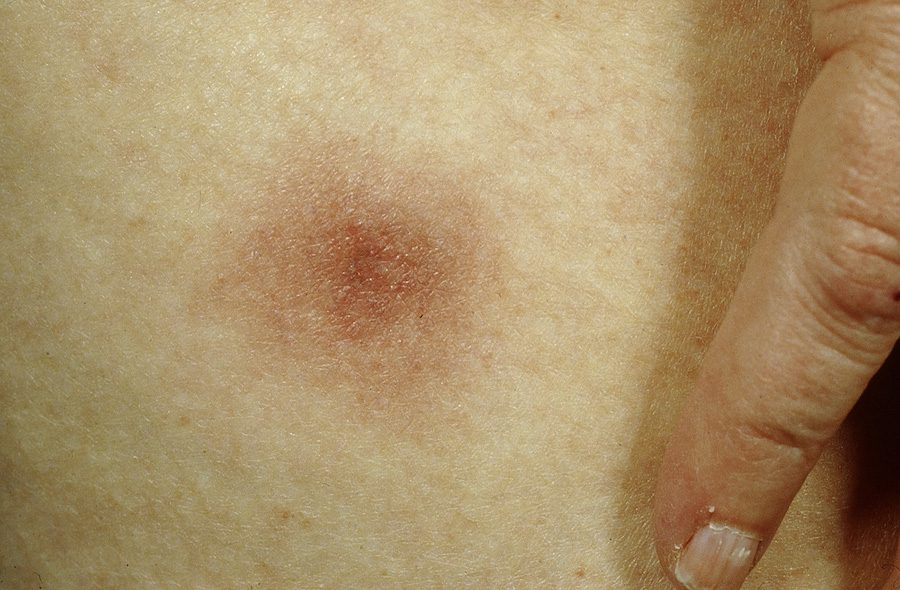
De niet giftige insectenbeten worden veroorzaakt door muggen, vlooien, luizen, schruftmijt etc die in de huid bijten omzich te kunnen voeden aan ons bloed.. Soms kunnen de reacties heftiger zijn en dan gaan deze gepaard met blaarvorming (culicosis bullosa). Andere heftigere of hardnekkige reacties zijn strophulus (acute uitbraak van fors.
Epidermolysis Bullosa Adalah? Tanda, Penyebab, Gejala, Cara Mengobati HonestDocs
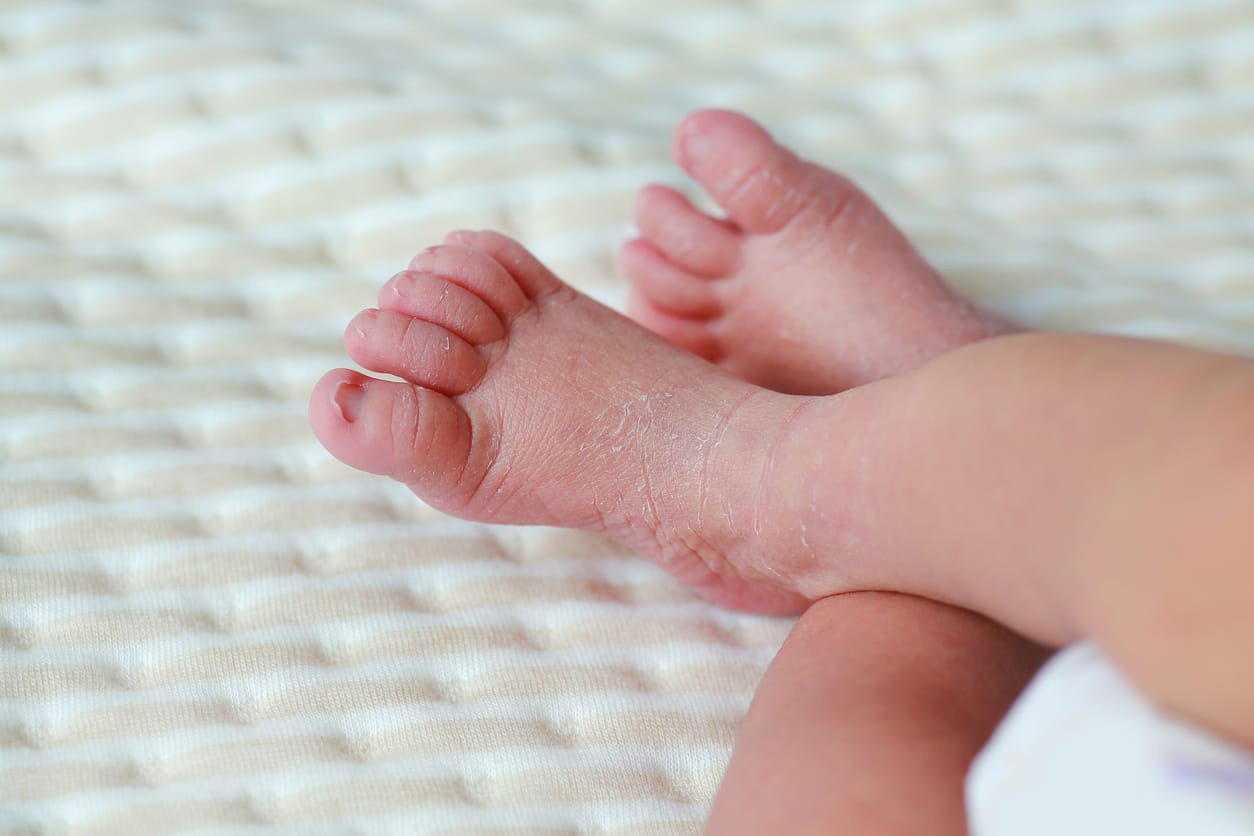
Dry skin: Applying a moisturizer every day can help reduce dry skin, which can reduce blistering, pain, and itching. If a nurse helps with wound care, the nurse can apply the moisturizer. Excess sweating: Common in patients with a type of EB known as epidermolysis bullosa simplex (EBS), excessive sweating should be treated.
Epidermolysis bullosa acquisita

Is het ook mogelijk dat culicosis niet 2-8 uur na het prikken door een insect maar als een verlate reactie ontstaat na ongeveer 1-1,5 week? En kan het lijken op waterpokken? Met vriendelijke groet, Ellen. Zoontje van 4 jaar, collicosis bullosa. geschreven door Hendriks , 14-06-2015.
Bullous pemphigoid nidirect
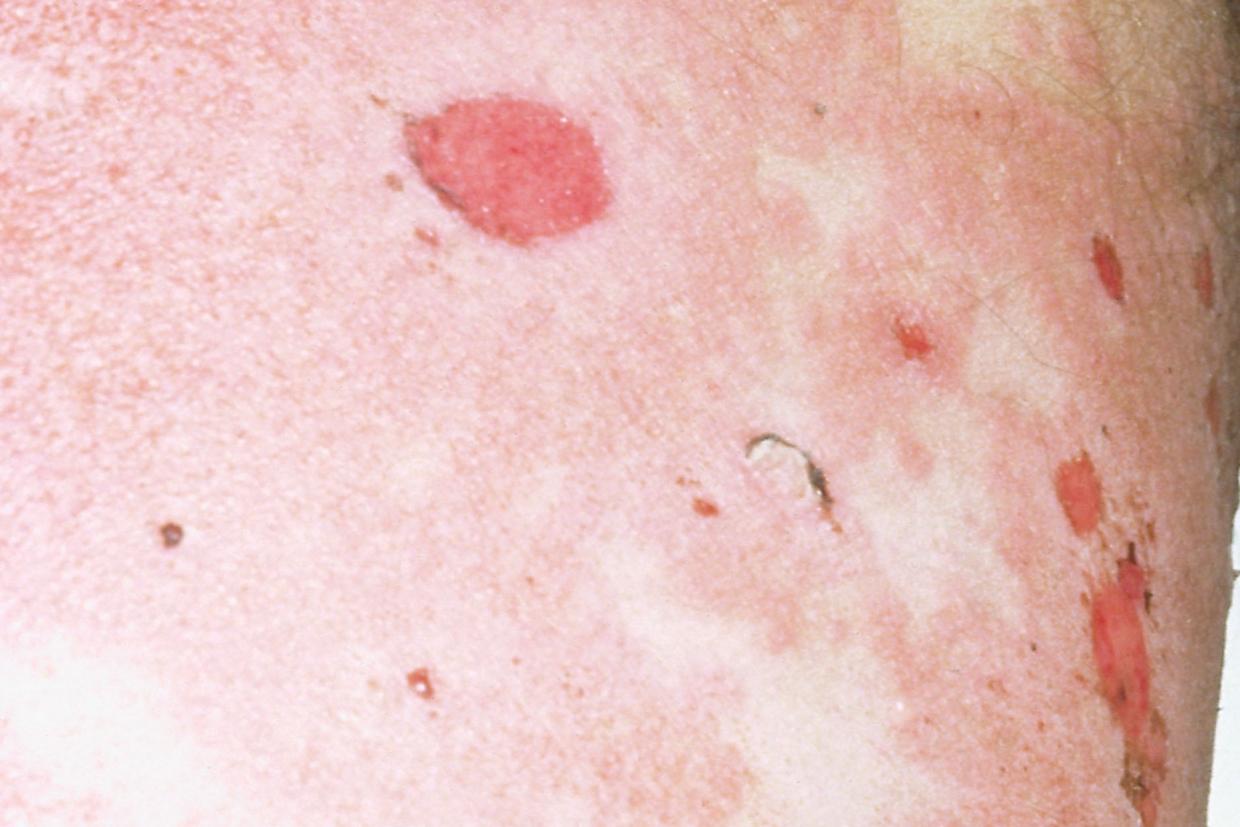
Culicosis bullosa. Culicosis bullosa. Culicosis bullosa Ital J Dermatol Venerol. 2022 Apr;157(2):196-197. doi: 10.23736/S2784-8671.21.06980-2. Epub 2021 May 13. Authors Stefano Veraldi 1 2 , Cristina Spigariolo 3 4 , Raffaele Gianotti 3 4 , Luciano Süss 5 Affiliations 1 Department of Pathophysiology.
Bullous pemphigoid NHS

Culicosis bullosa. T00.96. This section has been translated automatically. Bubble formation after insect bites (e.g. by mosquitoes or flies). This section has been translated automatically. Individual immunological reaction against antigens of various insects. Combination of a humoral, IgE-mediated reaction and a cellular type IV reaction.
Bullous Pemphigoid Rises With Increasing Age, Incidence Highest in Elderly Men Dermatology Advisor

Earlier name for the culicosis bullosa. Recommended articles. Dermatology. Keratoakanthoma (overview) Initially fast-growing (according to typical history usually lasting a few weeks), solitary, more rarely in. Continue reading. Advertisment. Advertisment. Dermatology. Oleoma.
Inflammatory Variant of Epidermolysis Bullosa Acquisita With IgG Autoantibodies Against Type VII

Introduction. Concha bullosa (CB) is a pneumatization of the middle turbinate, it is a very common anatomical variation with a prevalence ranging from 14% to 53%. 1 The exact cause is still unknown. 2 The most accepted hypothesis is the expansion of sinus pneumatization into the turbinate during the intrauterine period. 3 The second hypothesis is the fusion abnormality in intrauterine development.
01. DIAGNÓSTICO DERMATOLÓGICO
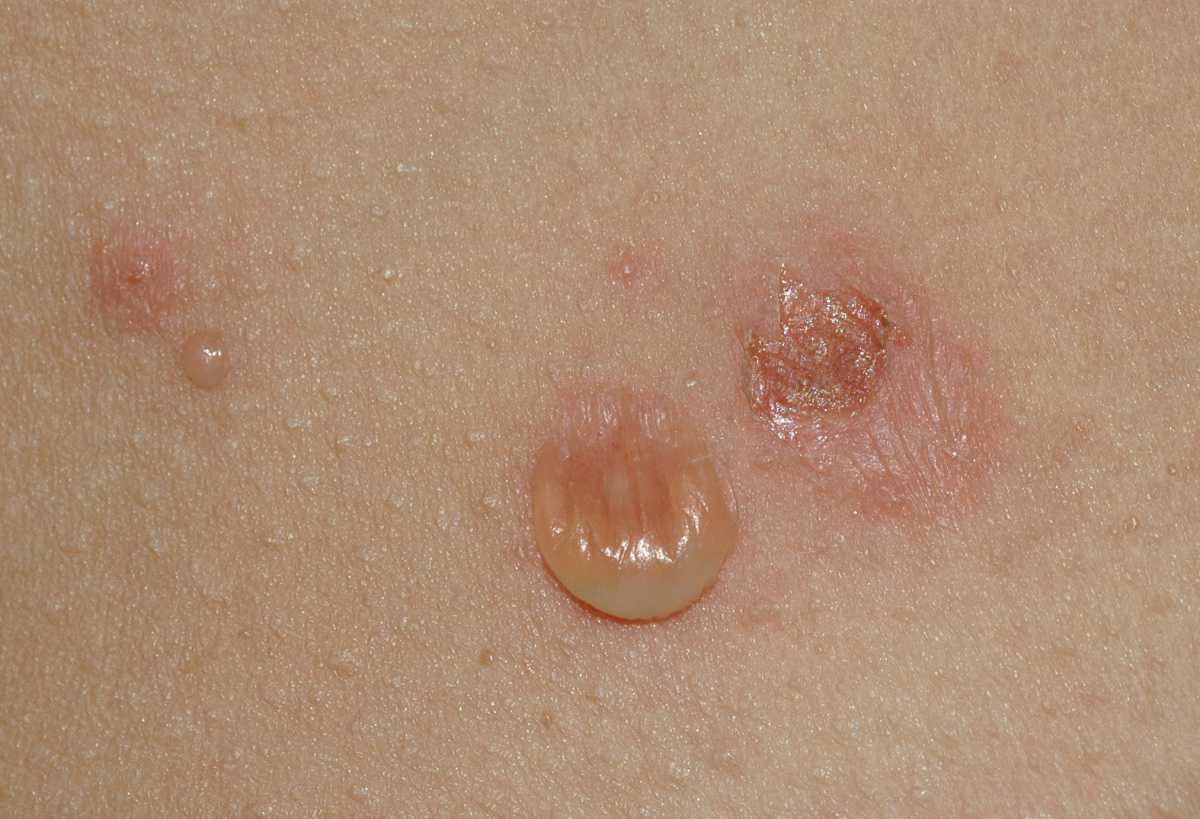
Blistering is not uncommon ( Culicosis bullosa ). Rarely a large-area succulent infiltrate, extending beyond the actual site of exposure, up to palm-sized (rarely larger). Some people react to insect bites with long-lasting, highly itchy granulomas. Such observations are often made after holidays in warm climates (e.g. subtropics or tropics).
Blaar doorprikken of niet? — Lopen Zonder Blaren

Researchers are studying better ways to treat and relieve the symptoms of epidermolysis bullosa, including: Gene therapy, including a gel applied to wounds of people with dystrophic epidermolysis bullosa. Bone marrow (stem cell) transplantation. Protein replacement therapies. Other cell-based therapies.
Epidermolysis bullosa eine seltene Erbkrankheit MedMix
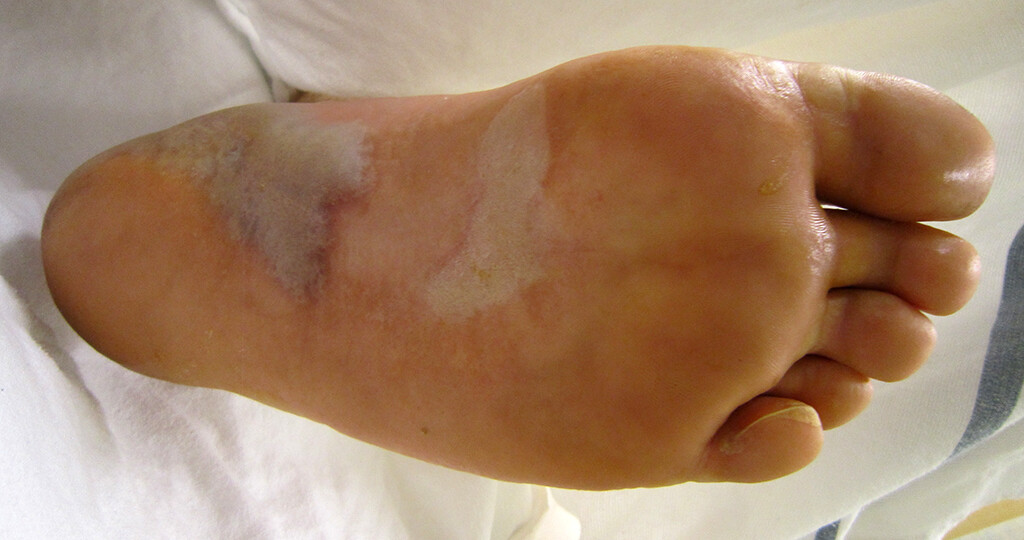
Culicosis bullosa. May 2021. Italian Journal of Dermatology and Venereology 157 (2) DOI: 10.23736/S2784-8671.21.06980-2. Authors: Stefano Veraldi. University of Milan. Cristina Beatrice Spigariolo.
.