The Exposure Fundamentals Behind Great Filmmaking

620 film was created by Kodak in the 1930's as a smaller alternative to 120 film. The film is exactly the same size as 120 film (6 cm wide) so it can fit as many images onto the film (4 - 16 exposures) but the film spool is slightly thinner and more narrow to be able to fit into smaller cameras.
Reinventing the Roll 120 Film in a Polaroid Highlander mike eckman dot com

willscarlett.
In response to what Steve said, your roll of 120 film is 72 cm long. To find out how many shots it can fit on a roll, divide 72 by the second number of the camera's gate measurement, for example, 6x4.5, so divide 72/4.5 = 16, even tho most 6x4.5 cameras take 15 shots per roll. 72/6 = 12, 72/7 = 10, 72/9 = 8
.Take Double Exposures With a 35mm Film SLR (How To) YouTube

Here's a good representation of the size differences between 35mm and 120: 35mm negatives are 24mm x 36mm. 120 actually applies to a few different exposure dimensions depending on the type of camera used. Measured in centimeters they are: 6 x 4.5, 6 x 6, 6 x 7 (and even 6 x 9). You can see that 120 film is quite a bit larger than 35mm.
How to Make Perfect Exposures on Film
Kodak Gold 200 Film in 120 Review. My friends at Kodak invited me to beta test the new Kodak Gold 200 in 120 film (medium format) a few weeks before the March 21 launch of the new film stock. If you follow me ( @tonywodarck) you know I'm a Portra lover through and through. So to get my hands on Kodak Gold and test a film stock I really never.
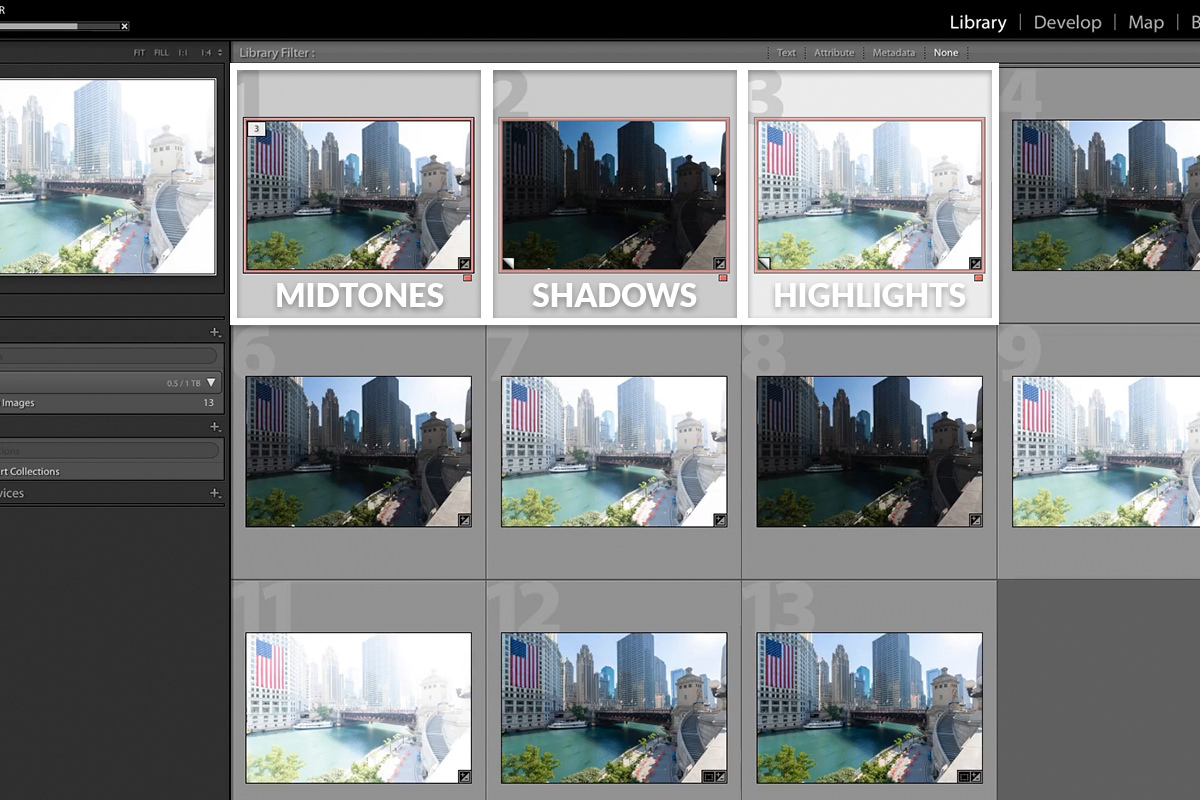
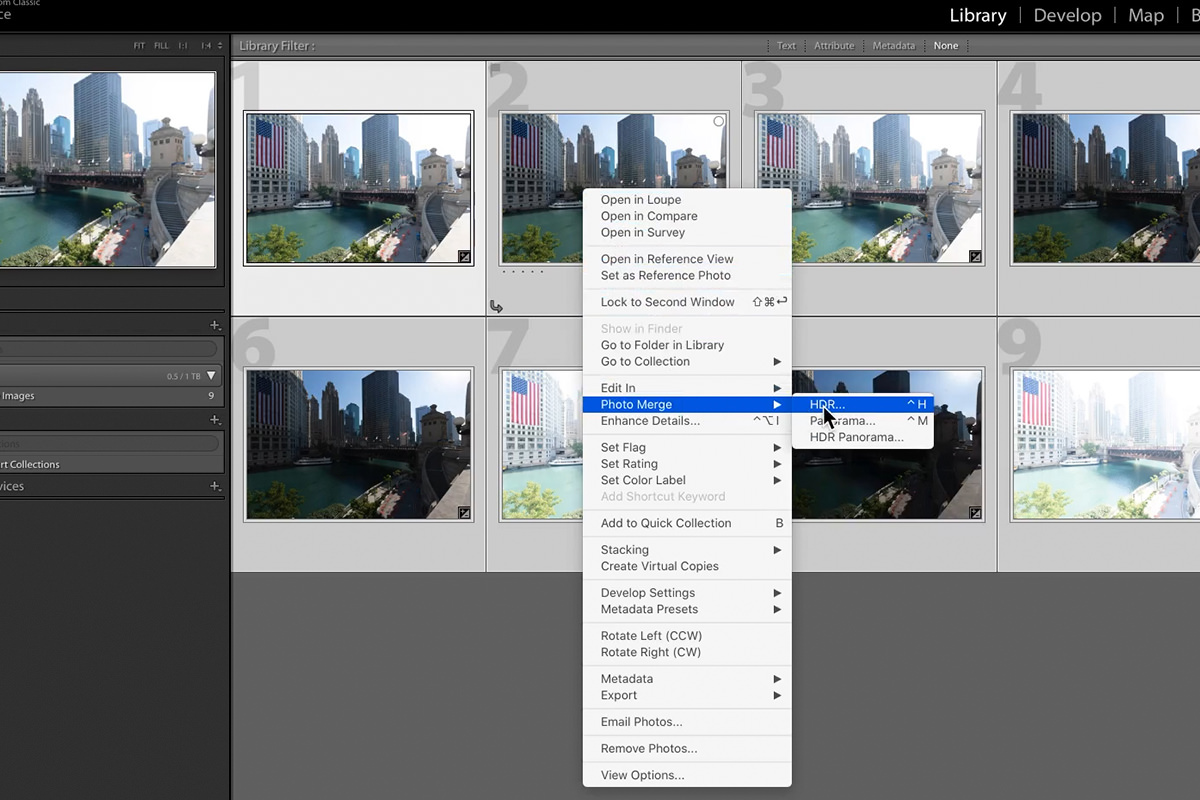
How Many Exposures Do You Really Need for HDR? PHLEARN
The 120 film format was originally introduced by Eastman Kodak for its Brownie No. 2 in 1901. The 620 roll film was the same size, but didn't have a spool and is discontinued. It was the main format for amateur photographers and beginners' cameras like the box cameras. With the popularity of 35mm, 120 medium format film became a format for.
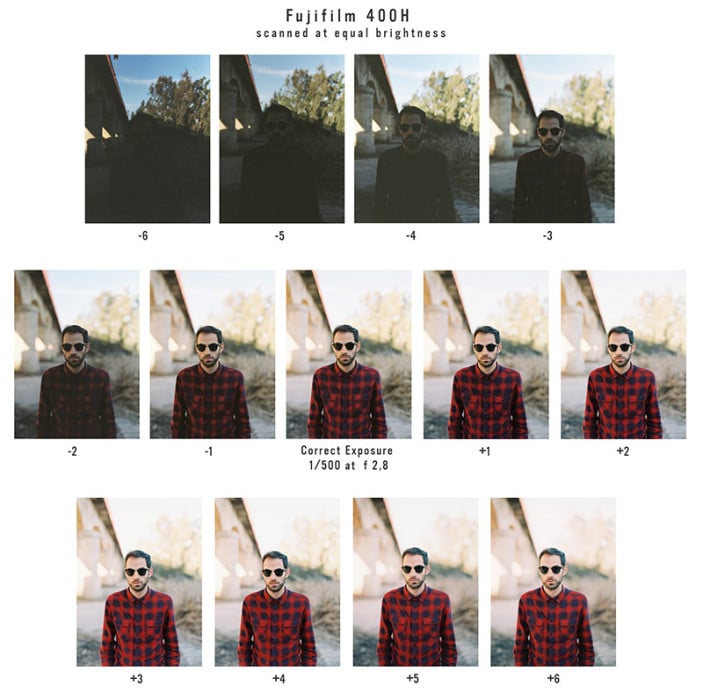
How Exposure Affects Film Photos Film photography, Photography techniques, Film

Then there's the variable frame sizes, which is yet another quirk of medium format. 120 film gives you the ability to take different sized frames (6×4.5, 6×6, 6×7 or 6x9) depending on the camera you're using. All of these new options are suddenly available to you with 120 that do not exist in the world of 35 mm, opening up new.
How to take long exposures on film — aows Long exposure, Exposure, Exposure photography

View. $5,999.99. $4,399.99. View. Show More Deals. We check over 250 million products every day for the best prices. Take a look at the best film cameras, the best 35mm film and best 120 roll film, and the best film scanners. Get the Digital Camera World Newsletter.
120 vs. 220 Film Main Differences FotoProfy

120 Film Format Overview. 120 Film is a medium format roll film introduced in 1901 by Eastman Kodak.Each roll of film is wound around a spool which is typically made of either wood/metal, metal, or plastic. Unlike 35mm film which is pulled out of a light-tight cassette for shooting and then later wound back into it for processing, the act of shooting 120 will transfer the film from the spool.
How Exposure Affects Film Photos
In Conclusion: 120 and 220 film are both roll film used in medium format photography. 120 film has a paper backing and typically yields 12 exposures, while 220 film is longer and can yield up to 24 exposures. Both film types have their own strengths and weaknesses, and the choice between them ultimately depends on individual needs and preferences.
How Many Exposures Do You Really Need for HDR? PHLEARN
It allows 12 photos on 120 film and 24 on 220 film. It is popular because it is present in so many important, historic, and technically excellent cameras, gives you a medium-high number of exposures, allows for high resolution than 6×4.5, and also allows for a large-but-compact camera.
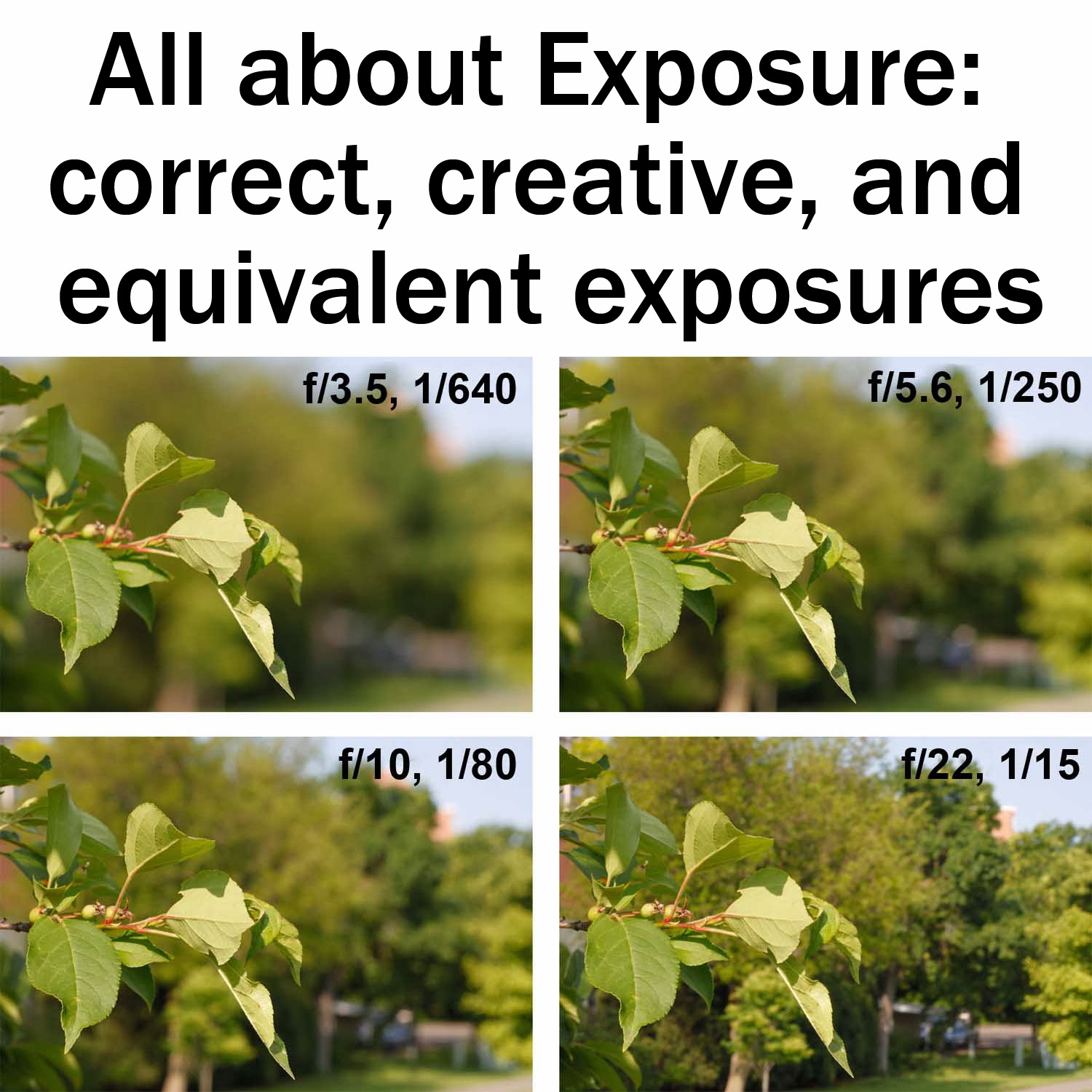
All about Exposure Boost Your Photography
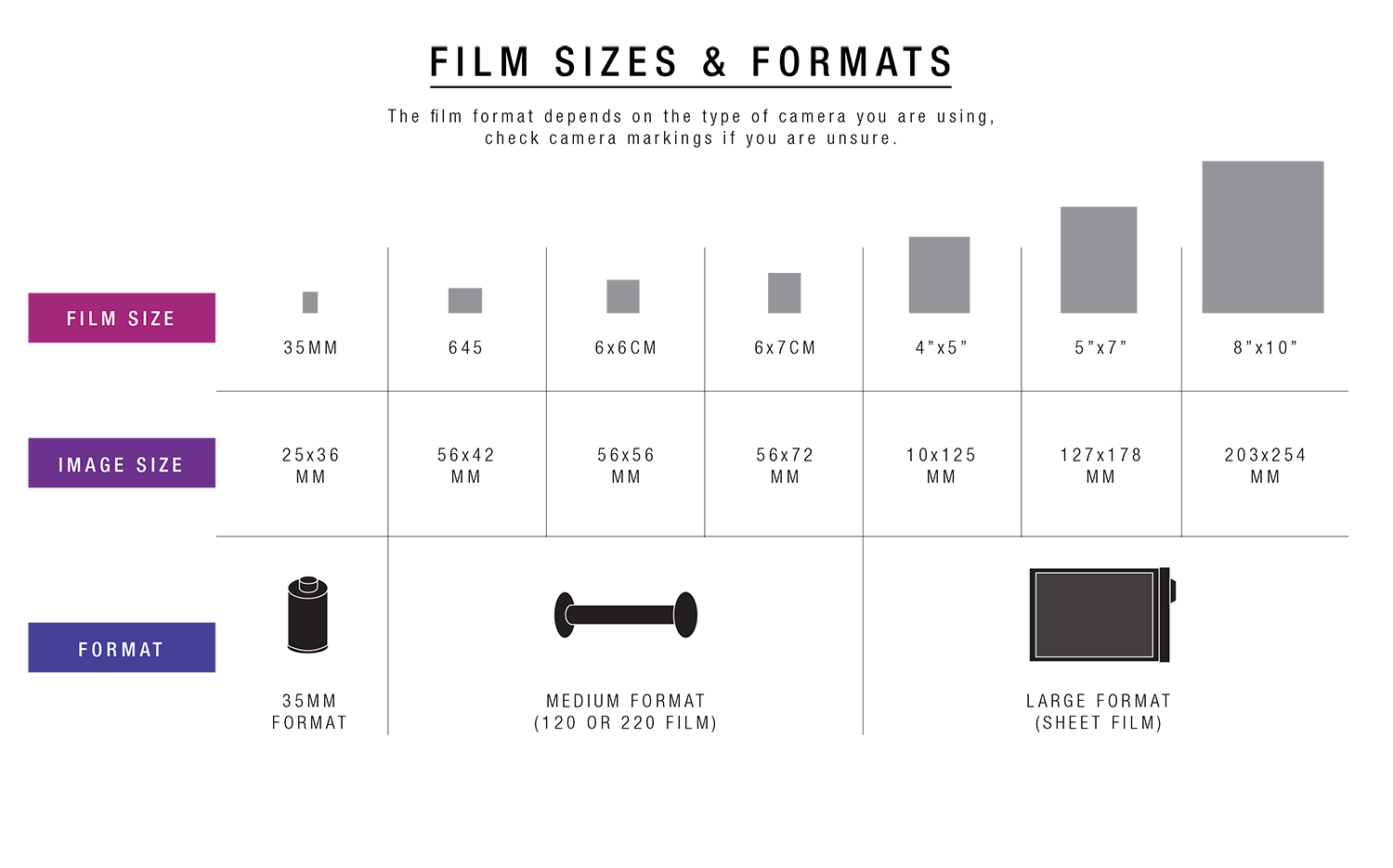
In this size comparison between medium format film and 35mm, you can see how much taller the 120 roll is, giving you a larger negative for your image. A roll of medium format film, also called 120 film, is approximately 6 cm tall, and common medium format image sizes are 6 x 4.5 cm, 6 x 6 cm, and 6 x 7 cm. A lot of technical info, I know, but.
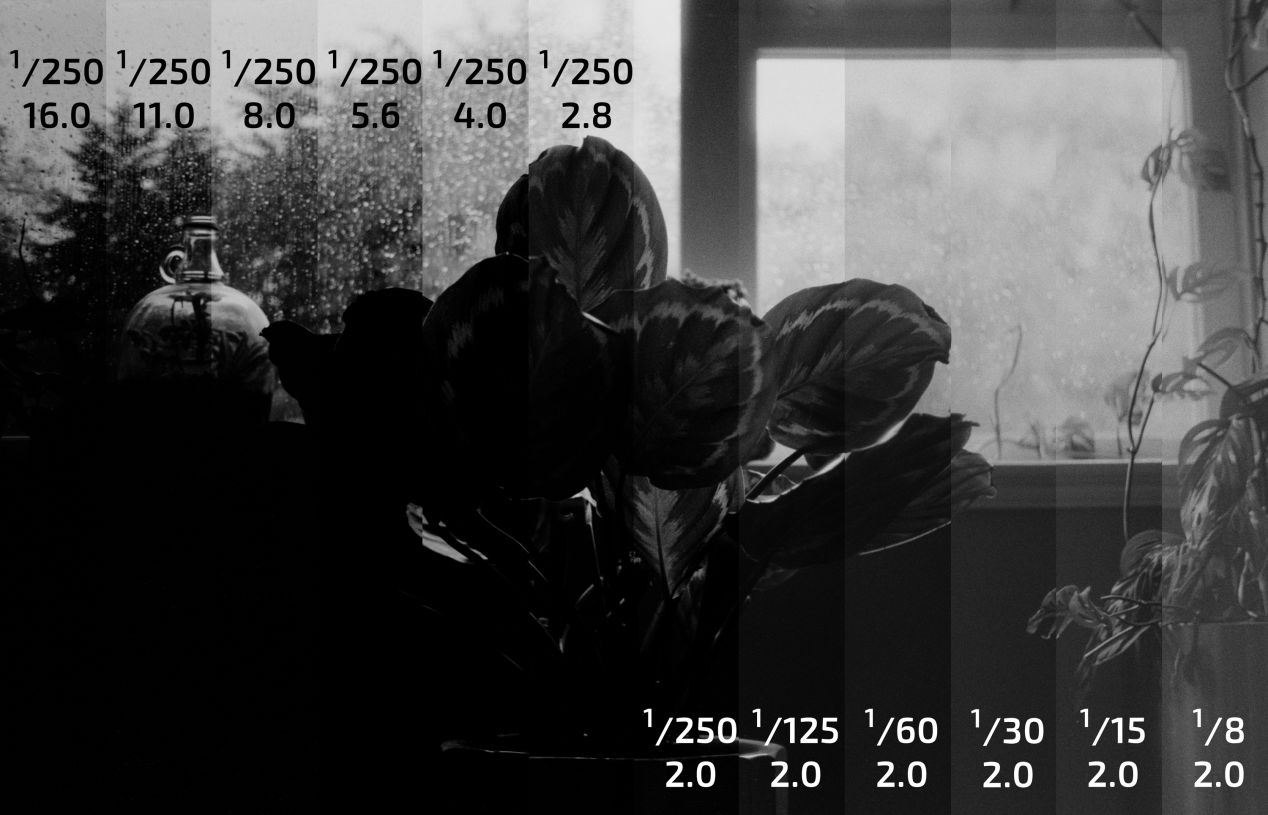
How to Make Perfect Exposures on Film
120 film is a film format for still photography introduced by Kodak for its Brownie No. 2 in 1901 (although the numerical designation 120 came later).. A roll of 120 film offers 16 exposures per roll in 6×4.5 format (for some cameras, only 15), twelve for 6×6, ten for 6×7, nine for 6×8 and eight for 6×9..
Exposure Chart Getting the most from your camera
The main advantage of 220 film is that it provides twice the number of exposures as 120 film. In other words, you can get twice as many photos out of a single roll! Another advantage of 220 film is that it's slightly cheaper than 120 film. 220 Film: Key Facts. The 220 film offers the same width as the 120 film type.
An interesting comparison of films, with photos.

And the 120 format is so versatile, you can shoot from about 16 to 4 or 3 photos on any one roll of film, depending on the equipment. Comparison of 120 format sizes (photos 1 to 5): 6×4.5, 6×6, 6×7, 6×9 and 6×12: Wait! There's another way of getting the most out of your roll of film. Even when you have a full round of 16 shots at your.
Film Resolution & Grain
56 x 78-84mm. 8. The original 120 size, usually contact printed for tiny album prints. The 56×84 format is the same 2:3 aspect ratio as 35mm. 6×12. 56 x 110-120mm. 6. The advantages over masked 6x9cm can be overstated, as film flatness is necessarily inferior.
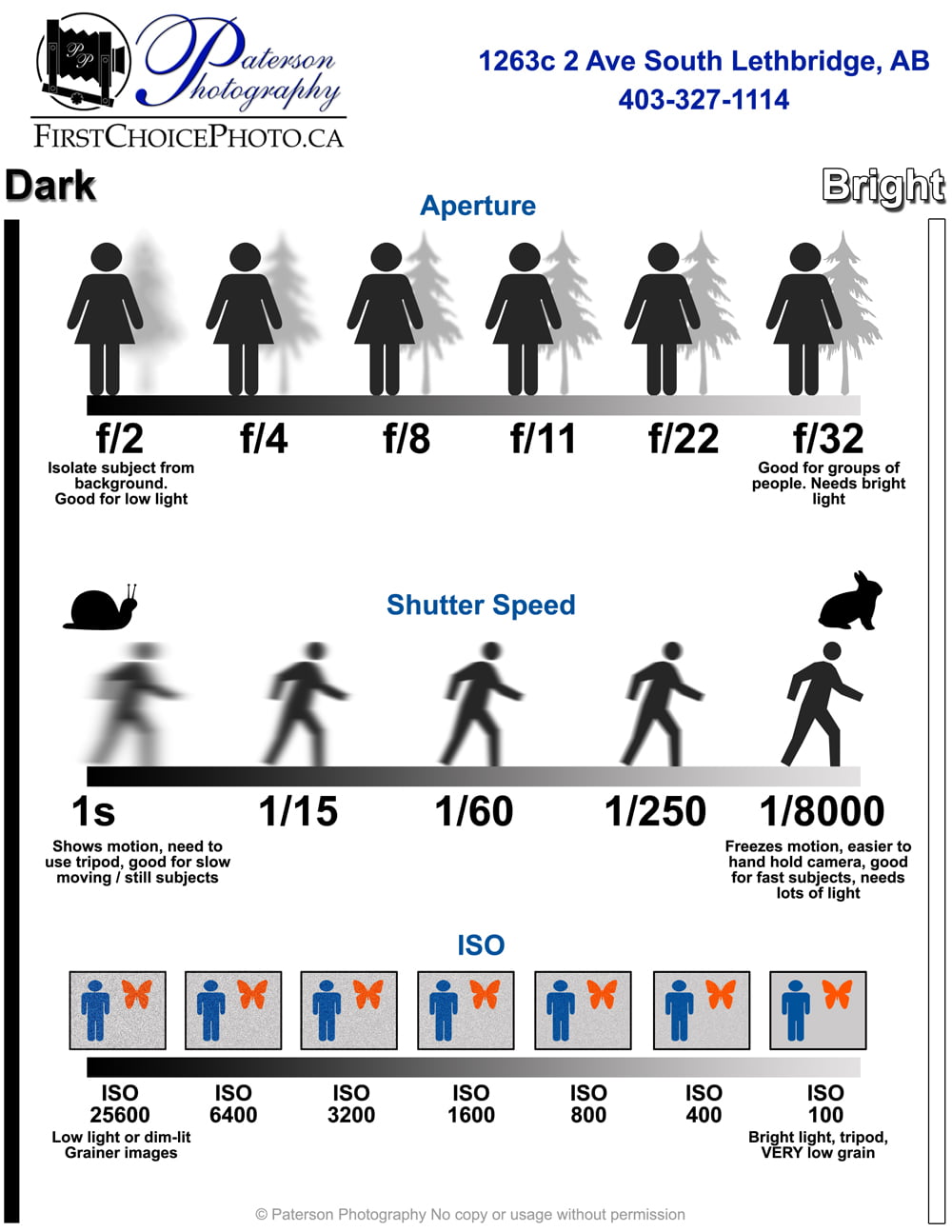
Understanding The Exposure Triangle [FREE Exposure Triangle Cheat Sheet] Photography basics

With 120, depending on your camera, you'll get 16, 12, or 10 frames per roll. This is because different medium format film cameras can shoot exposures in the following formats: 645 (6 x 4.5, or 56 x 42mm), 6 x 6 (56 x 56mm), and 6 x 7 (56 x 67mm). You'll get 16 shots out of the 645 format, 12 from 6 x 6, and 10 from 6 x 7, but in each case you.
.

